
 EN
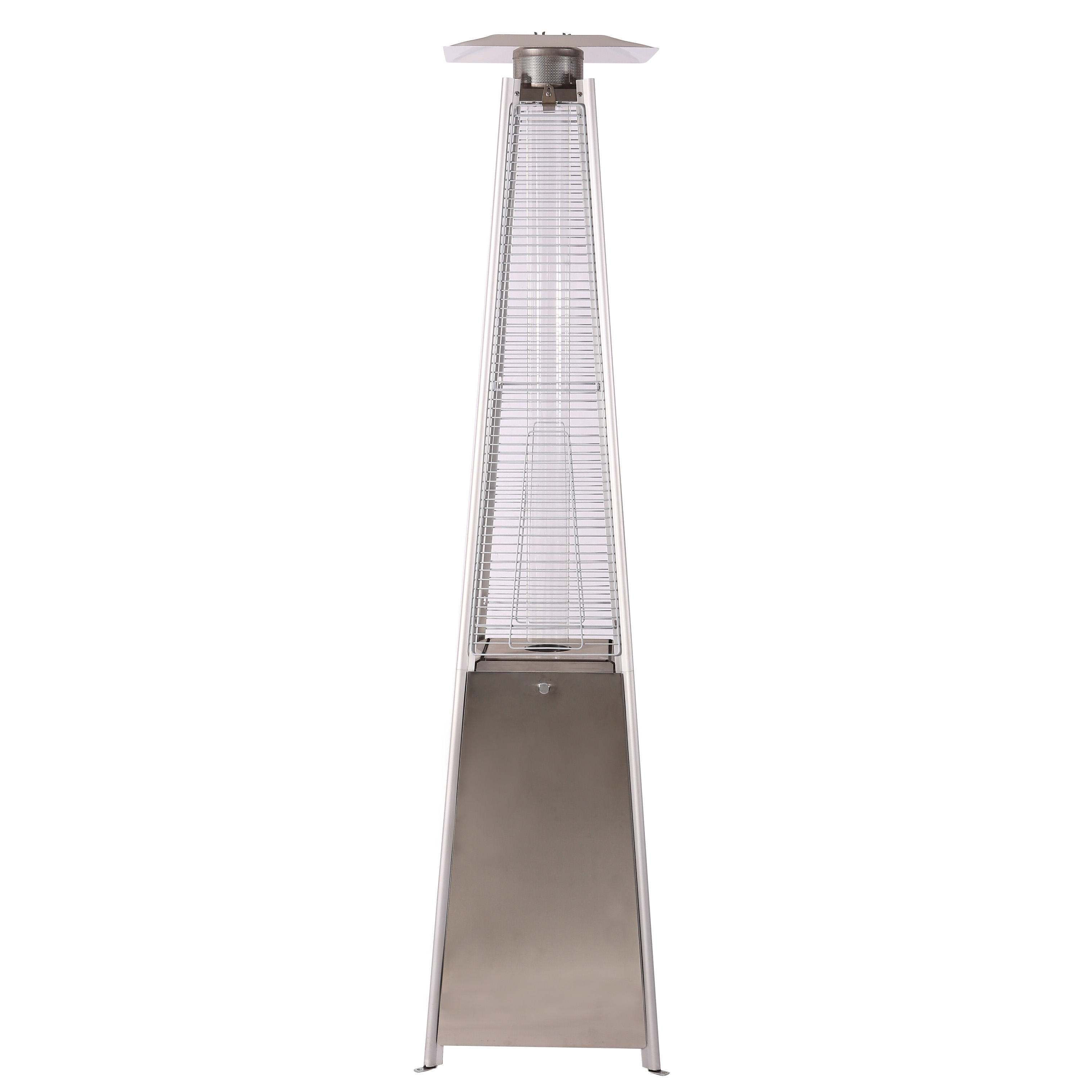
Hotels investing in outdoor spaces must prioritize both comfort and safety when selecting heating solutions. A patio gas heater represents a significant investment that directly impacts guest experience, operational efficiency, and liability management. Evaluating patio gas heater options requires understanding performance metrics, safety standards, and long-term operational costs to ensure the right solution for your property's specific needs and climate conditions.
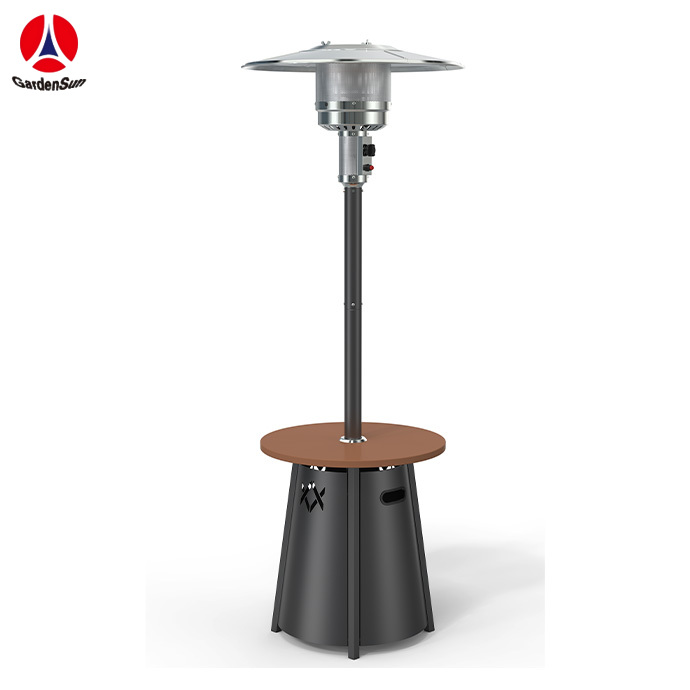
The hospitality industry faces unique challenges when deploying outdoor heating. Your patio gas heater must operate reliably across varying weather conditions, accommodate guest safety protocols, and comply with local fire codes and building regulations. Understanding how to systematically evaluate these factors transforms selection from a simple purchase decision into a strategic choice that protects your brand reputation and guest satisfaction scores.
Understanding Core Performance Metrics for Patio Gas Heater Selection
Heat Output and Coverage Area Assessment
Heat output, measured in British Thermal Units (BTUs), forms the foundation of patio gas heater evaluation. A typical commercial patio gas heater ranges from 30,000 to 60,000 BTUs, but selecting the right output depends on your specific outdoor space dimensions, ambient temperature conditions, and desired comfort level. Hotels must calculate the coverage area by considering ceiling height, wind exposure, and insulation factors. Undersized patio gas heater models leave guests uncomfortable, while oversized units waste fuel and increase operational costs unnecessarily.
The relationship between patio gas heater capacity and actual warmth delivery involves more than basic mathematics. Thermal efficiency varies significantly based on design, insulation quality, and reflector technology. Some premium patio gas heater models distribute heat more evenly across 20 feet, while standard units struggle beyond 15 feet. Testing a patio gas heater in your actual environment before full deployment helps validate manufacturer specifications against real-world performance.
Fuel Consumption and Operational Economics
Fuel efficiency directly affects your bottom line and environmental footprint. A commercial patio gas heater typically consumes 1.5 to 2.5 pounds of propane per hour at full capacity. Hotels should calculate seasonal operating costs by multiplying hourly consumption by local propane prices and estimated usage hours. Premium patio gas heater models featuring improved burner design and reflectors reduce fuel waste by 15 to 25 percent compared to basic alternatives, creating significant cumulative savings over multiple seasons.
Operating hours vary by geography and season, so establish realistic usage projections for your property. A resort in a temperate climate might run patio gas heater units year-round, while northern properties use them seasonally. Tracking actual consumption patterns allows you to identify underperforming patio gas heater units and optimize maintenance schedules.
Safety Standards and Compliance Requirements for Patio Gas Heater Installation
Certification and Code Compliance Verification
Every patio gas heater must meet relevant safety standards established by industry organizations and local authorities. In North America, look for CSA (Canadian Standards Association) or UL (Underwriters Laboratories) certification marks on any patio gas heater you evaluate. These certifications indicate the unit has undergone rigorous testing for gas leakage, flame stability, structural integrity, and shutdown mechanisms. Your local building department and fire marshal maintain specific requirements, so reviewing codes before purchasing any patio gas heater prevents costly installation delays or forced replacements.
Additional safety considerations affect patio gas heater installation planning. National Fire Protection Association (NFPA) guidelines specify minimum clearance distances from combustible materials, required ventilation, and inspection intervals. A certified patio gas heater still requires professional installation by qualified technicians familiar with your jurisdiction's regulations. Never compromise on this step, as improper patio gas heater installation creates liability exposure and guest safety risks that far exceed installation cost savings.
Automatic Shutdown and Tip-Over Protection Systems
Modern commercial patio gas heater models include automatic safety features designed to prevent dangerous situations. Tip-over protection automatically shuts off gas flow if the patio gas heater is knocked over, protecting guests from flame exposure and gas leaks. Thermal cut-off switches activate when internal temperatures exceed safe limits, preventing overheating and component failure. These features transform a patio gas heater from a potential hazard into a reliably safe appliance suitable for busy hospitality environments.
Evaluate the responsiveness of patio gas heater safety mechanisms during your assessment process. Some units include redundant shut-off systems that trigger independently, providing additional protection layers. Ask manufacturers to demonstrate how their patio gas heater responds to common mishaps during your evaluation, as understanding failure modes builds confidence in the equipment's reliability for your specific guest demographics and operating environment.
Durability, Maintenance, and Long-Term Value Assessment for Patio Gas Heater Investment
Material Quality and Weather Resistance
The materials used in patio gas heater construction determine how well the unit withstands continuous outdoor exposure. Stainless steel components resist corrosion far better than painted steel, extending the effective lifespan of your patio gas heater investment. The base, reflector, and internal piping should all feature corrosion-resistant treatment appropriate for your climate. Coastal properties require premium patio gas heater models with marine-grade stainless steel to combat salt spray damage, while inland properties may utilize more economical materials.
Quality patio gas heater construction includes UV-resistant finishes on external surfaces and sealed electrical connections that prevent moisture intrusion. Examining the construction details of any patio gas heater before purchase reveals whether the manufacturer prioritized durability or pursued aggressive cost reduction. Hotels should compare warranties as a proxy for manufacturer confidence in patio gas heater longevity, as extended warranties often indicate superior engineering and material selection.
Maintenance Requirements and Service Accessibility
Preventive maintenance directly impacts patio gas heater safety, efficiency, and service life. Seasonal inspections should include burner cleaning, gas line pressure verification, thermostat calibration, and safety mechanism testing. Accessible patio gas heater design allows technicians to perform these tasks quickly and cost-effectively, while poor design increases maintenance time and expense. Before finalizing any patio gas heater purchase, confirm that replacement parts are readily available and that local service providers maintain familiarity with the specific model.
Develop a comprehensive maintenance log for each patio gas heater unit at your property. Track service dates, fuel consumption patterns, and any performance anomalies to identify deterioration trends early. This proactive approach prevents unexpected failures during peak season and extends the total service life of your patio gas heater investment substantially.
FAQ
What BTU output should a hotel choose for their patio gas heater?
Hotel patio gas heater selection depends on outdoor space dimensions, ceiling height, and climate conditions. Most commercial applications require 40,000 to 60,000 BTUs for adequate coverage of 15 to 20-foot dining areas. Consult with your HVAC professional to calculate specific BTU requirements by measuring square footage, assessing wind exposure, and factoring in your region's winter temperatures. Choosing appropriate BTU capacity ensures guest comfort while avoiding fuel waste.
How often should hotels inspect their patio gas heater units for safety?
Professional patio gas heater inspection should occur at least once annually, ideally before the heating season begins. More frequent checks are prudent in high-use environments or coastal properties where corrosion accelerates. Monthly visual inspections by your maintenance staff help identify obvious issues like loose connections or visible damage, allowing early intervention before problems compromise patio gas heater safety or performance. Insurance policies often require documented patio gas heater inspections, so maintain detailed service records.
Can hotels use residential patio gas heater models for commercial applications?
Residential patio gas heater models lack the durability and safety features required for commercial hospitality environments. Hotels face higher liability exposure, more intensive usage patterns, and stricter building code compliance requirements that residential patio gas heater designs cannot reliably meet. Commercial-grade patio gas heater units feature reinforced construction, superior safety mechanisms, and extended warranties appropriate for guest-facing applications. Investing in proper commercial patio gas heater equipment protects your property legally and operationally.